
- All
- Product Name
- Product Keyword
- Product Model
- Product Summary
- Product Description
- Multi Field Search
- Product private attributes
Views: 0 Author: Site Editor Publish Time: 2026-08-20 Origin: Site


Installing inadequately protected outdoor lighting in extreme climates carries hidden, compounding costs. Frequent fixture replacements, sudden short circuits, and severe electrical hazards quickly turn a simple aesthetic upgrade into a maintenance nightmare. Consumer lighting markets are flooded with unregulated marketing claims. These products routinely fail under prolonged exposure to heavy rain, snow, freezing temperatures, or coastal salt air. You need a technical framework for evaluating true durability. This means shifting the focus away from aesthetic marketing. Instead, prioritize verified ingress protection, robust material science, and rigorous installation protocols. Properly selecting Waterproof Outdoor Lights requires understanding exactly how water, ice, and heat interact with electrical housings over time.
Demand Verified Ratings: Disregard ambiguous "weatherproof" labels; require a minimum of IP65 outdoor lighting for any fixture exposed to direct rain or snow.
Material Trumps Design: The structural integrity of the housing (e.g., marine-grade stainless steel, solid brass, or powder-coated aluminum) is as critical as the waterproof seal, particularly in coastal or sub-zero environments.
Vulnerability at the Source: Fixture failure rarely occurs at the lens; the vast majority of water damage stems from improperly sealed electrical connections and junction boxes.
Commercial Baselines: Leveraging commercial outdoor lighting standards provides a reliable blueprint for residential and facility applications requiring zero-maintenance longevity.
The IP standard uses a two-digit system to measure a fixture's defense against the elements. The first digit indicates resistance to solid objects and dust. The second digit measures resistance to moisture and water ingress. Understanding these numbers dictates safe exterior illumination. Many consumer fixtures carry an IP44 rating. This is technically insufficient for harsh weather. IP44 only provides splash resistance. Prolonged rain easily bypasses these weak seals. This leads to internal corrosion and electrical shorts. You must establish a baseline of IP65 outdoor lighting for any fixture facing direct exposure. IP65 guarantees protection against low-pressure water jets. This makes it suitable for heavy rain and storms.
Specific environments demand even higher ratings. Specify IP67 for temporary submersion. This is necessary for heavy pooling areas or low-lying landscape beds. Require IP68 for continuous submersion. You need IP68 for water features, jetties, and pools. Field experience shows that installing an IP44 fixture in an IP65 environment guarantees failure within two seasons. Water finds the path of least resistance. Once moisture breaches the housing, the internal components degrade rapidly. The electrical contacts oxidize, and the diodes fail. Always verify the IP rating on the manufacturer's specification sheet, not just the retail packaging.
IP Rating | Solid Protection | Water Protection Level | Ideal Application |
|---|---|---|---|
IP44 | Objects > 1mm | Splashing water | Covered porches, protected eaves |
IP65 | Dust-tight | Low-pressure water jets | Exposed facades, landscape uplighting |
IP67 | Dust-tight | Temporary submersion (up to 1m) | Ground well lights, heavy drainage zones |
IP68 | Dust-tight | Continuous submersion | Fountains, ponds, swimming pools |
Marketing terminology often obscures actual engineering standards. The term weather-resistant is legally ambiguous. It implies the product handles light exposure but guarantees no specific metric of survival. Waterproof, when backed by a certified IP rating, denotes tested and verified structural integrity. Always evaluate manufacturer testing conditions. Read the warranty limitations and fine print regarding extreme weather exposure. Some warranties void if fixtures are installed in coastal zones. Others void if subjected to direct irrigation spray. Rely strictly on certified engineering standards rather than packaging buzzwords.
Contractors frequently encounter fixtures labeled as weather-ready that fill with water after a single storm. The difference lies in the testing methodology. A true waterproof rating requires independent laboratory testing. The fixture undergoes sustained water pressure from multiple angles. It is then inspected for any internal moisture. If you cannot find the testing documentation, assume the fixture is only weather-resistant. This distinction saves thousands of dollars in replacement costs on large-scale installations. Do not trust the marketing copy; trust the engineering data.
Fixtures face extreme temperature fluctuations alongside moisture. Seasonal transitions heavily impact fixture expansion and seal degradation. Winter freeze-thaw cycles force moisture into microscopic cracks. As the water freezes, it expands. This shatters cheap plastic housings and breaks weak seals. Spring humidity introduces internal condensation. Peak summer UV and heat bake the exterior. This causes standard rubber gaskets to shrink and crack. A truly durable fixture uses materials engineered to expand and contract uniformly. This maintains a watertight barrier across all seasonal stress cycles.
Consider the thermal dynamics of a sealed metal housing. In direct summer sunlight, the internal temperature easily exceeds 140 degrees Fahrenheit. The air inside expands, pushing against the seals. When a sudden rainstorm hits, the housing cools rapidly. The internal air contracts, creating a vacuum. This vacuum sucks water past compromised gaskets. High-quality fixtures mitigate this with pressure-equalizing valves. These valves allow air to pass while blocking moisture. Understanding these thermal cycles is essential for selecting fixtures that survive year-round exposure.
Powder-coated cast aluminum is common and cost-effective. It offers decent protection if the coating remains intact. However, poor thermal management causes the fixture to overheat. This degrades the powder coat from the inside out. Once the coating cracks, aluminum oxidizes rapidly in wet environments. Stainless steel selection requires careful attention. There is a critical difference between 304 and 316 steel. Standard 304 stainless rusts in coastal or high-humidity environments. You must specify 316 marine-grade stainless steel for saltwater proximity. It contains molybdenum, which drastically increases corrosion resistance.
High-end projects favor solid brass and copper. These non-ferrous metals form a natural protective patina over time. They eliminate the risk of paint peeling or rust in harsh salt air. For synthetic options, demand high-density, UV-stabilized polycarbonate. This prevents brittleness, cracking, and discoloration in sub-zero temperatures and high UV exposure. The initial material cost is higher, but the longevity justifies the investment. Replacing corroded aluminum fixtures every three years costs far more than installing solid brass once.
Material Type | Corrosion Resistance | Thermal Management | Best Environment |
|---|---|---|---|
Powder-Coated Aluminum | Moderate (relies on coating) | Excellent | Inland, moderate climates |
304 Stainless Steel | Good | Moderate | Inland, high humidity |
316 Stainless Steel | Excellent | Moderate | Coastal, saltwater exposure |
Solid Brass / Copper | Superior (forms patina) | Good | Harsh coastal, extreme weather |
The lens material dictates impact resistance. Tempered glass handles thermal shock and resists scratching. Acrylic lenses are shatter-resistant but yellow under intense UV light. Tempered glass is vastly superior for defending against hail and flying debris. Gasket material is equally vital. Standard rubber degrades, shrinks, and cracks over time. Silicone gaskets are the professional standard. Silicone maintains a watertight compression seal through extreme temperature fluctuations without losing elasticity. It does not dry rot like natural rubber.
Prioritize structural design over chemical sealing. Choose mechanical compression seals, such as screw-down or pressure-fit gaskets. Avoid chemical glues or resin fills. Glues degrade rapidly under thermal expansion and contraction. They eventually allow water to breach the housing. A mechanical seal allows for maintenance and bulb replacement without destroying the waterproof barrier. When inspecting a fixture, check the gasket thickness. A thin, flimsy gasket indicates poor manufacturing. A thick, robust silicone ring ensures long-term protection.
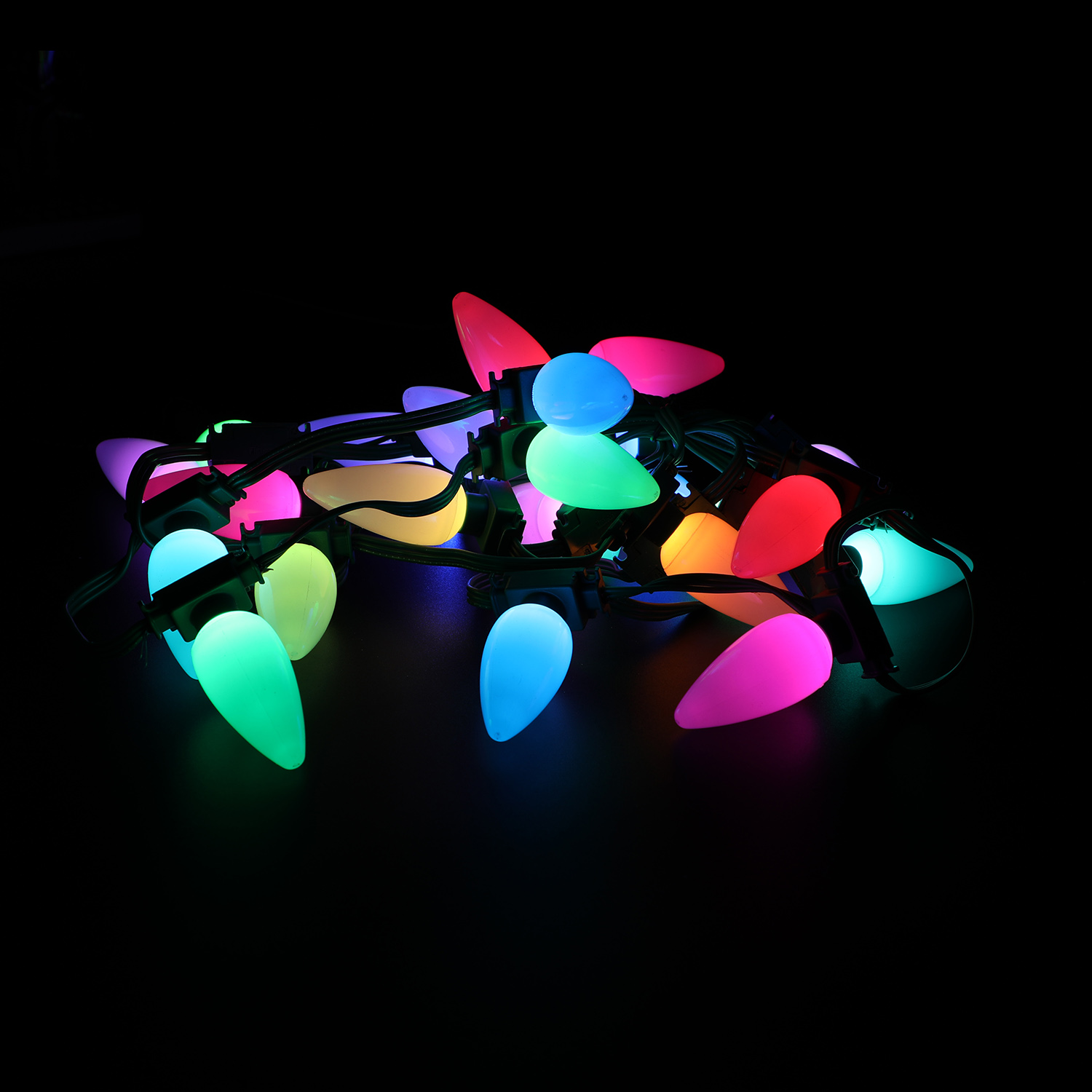
Choosing between integrated LEDs and replaceable bulbs involves trade-offs in sealing integrity. Integrated units eliminate the need for a removable, leak-prone lens cover. This makes integrated waterproof LED lights highly reliable in wet conditions. The factory seals the entire unit, removing human error during installation. However, fully sealed fixtures face challenges with heat dissipation. Managing internal temperatures during peak summer heat prevents premature diode failure. Look for fixtures with heavy metal housings that act as efficient heat sinks. These draw thermal energy away from the LED board.
Replaceable bulb fixtures offer flexibility but require meticulous maintenance. Every time you change a bulb, you risk compromising the seal. You must clean the gasket seating area thoroughly. Any dirt or debris prevents a watertight seal. You must also apply a light coat of dielectric grease to the gasket to maintain its elasticity. For most landscape applications, integrated fixtures provide superior reliability. The technology has advanced enough that the diodes outlast the physical housing in many cases.
Retail string lights often fail after a single season. Commercial-grade outdoor string lights utilize thicker wire gauge and highly durable insulation. This prevents the wire jacket from splitting in freezing temperatures. Socket construction is the primary failure point. You need suspended drops and molded, tight-fitting seals around the bulb base. This design prevents water pooling and stops capillary action from drawing moisture into the electrical socket. The socket should form a tight suction cup around the bulb.
When installing string lights, tension is a major factor. Do not rely on the electrical wire to support the weight of the string. Always use a dedicated steel guide wire. Attach the string lights to the guide wire using UV-resistant zip ties or carabiners. This prevents wind from stretching the electrical wire and breaking the internal copper strands. It also reduces stress on the socket connections. Proper installation extends the life of the string lights by years.
Install a stainless steel guide wire using turnbuckles for tension.
Suspend the string lights below the guide wire.
Ensure every bulb is screwed in tightly to engage the socket seal.
Apply dielectric grease to the bulb threads before installation.
Position the plug connection in a weatherproof outdoor receptacle cover.
Smart lighting introduces new vulnerabilities in harsh weather. Motion sensors, cameras, and Wi-Fi receivers must be protected from moisture ingress. High-quality RGB flood lights enclose these sensitive electronics in separate, sealed compartments. If water breaches the main lighting chamber, the smart components remain safe. High-lumen output fixtures generate significant heat. They require robust heat sinks. They also need condensation prevention mechanisms, such as pressure-equalizing breather valves. These valves allow internal moisture to escape without letting exterior water in.
Positioning is critical for flood lights. Mount them under eaves or overhangs whenever possible. This provides a first line of defense against direct rainfall. Ensure the fixture is angled slightly downward. This prevents water from pooling on the lens. If the fixture must be exposed, verify it has a high IP rating and a durable metal housing. Plastic security lights degrade rapidly under UV exposure, becoming brittle and prone to cracking during hail storms.
Applying commercial outdoor lighting standards to high-end residential projects ensures longevity. Look for IK impact ratings. These measure resistance to vandalism and flying debris. An IK08 rating or higher indicates the fixture can withstand significant physical impacts. Integrated surge protection is also a commercial standard. It safeguards expensive fixtures against lightning strikes and grid fluctuations. Residential power grids experience micro-surges constantly. These surges degrade LED drivers over time.
Commercial fixtures also utilize higher quality drivers. The driver is the engine of the LED fixture. Cheap drivers fail long before the diodes burn out. Commercial drivers handle wider temperature ranges and provide cleaner power to the LEDs. This results in consistent light output and longer lifespans. When evaluating a fixture, ask about the driver specifications. A high-quality driver is a strong indicator of overall fixture durability.
The implementation reality is stark. Most waterproof lights fail due to compromised junction boxes or spliced wires, not a defect in the fixture itself. Water travels along wires through capillary action, entering the fixture from the back. Mandatory mitigation techniques must be used during installation. Utilize dielectric grease on all socket connections. Apply marine-grade heat shrink tubing over splices. Always use silicone-filled waterproof wire nuts for any underground or exposed connection. Standard wire nuts trap moisture and accelerate corrosion.
When making underground connections, elevate the splice above the bottom of the trench. Place the connection inside a waterproof junction box filled with electrical potting compound. This creates an impenetrable barrier against groundwater. Never bury a bare splice, even if you use waterproof wire nuts. The ground shifts, and rocks cut through the wire insulation. Proper connection techniques separate professional installations from amateur failures.
Strip the wire ends cleanly without nicking the copper strands.
Twist the wires together firmly to ensure a solid mechanical connection.
Thread a silicone-filled waterproof wire nut onto the connection.
Wrap the base of the wire nut and the exposed wires with self-fusing silicone tape.
Place the connection inside a sealed junction box.
Avoid upward-facing installations where possible. Uplighting allows water, ice, or debris to pool directly on the lens or seals. If uplighting is necessary, ensure the fixture has a domed lens to shed water. Ensure proper soil drainage and gravel beds around ground-level fixtures. This prevents unintended submersion during heavy rain. Dig a small trench below the fixture and fill it with crushed stone. This gives water a place to drain away from the housing.
Utilize physical shields, shrouds, and hoods. These deflect direct rainfall, heavy snow accumulation, and wind-borne debris away from the fixture face. A simple brass shroud extends the life of a landscape light significantly. It also reduces glare and directs the light exactly where you need it. Positioning fixtures away from direct sprinkler spray is also vital. High-pressure irrigation heads force water past seals that would otherwise withstand normal rainfall.
Low voltage systems offer significant safety advantages over line voltage in consistently wet or snow-covered conditions. A severed low-voltage wire in a wet yard is far less hazardous than a severed line-voltage cable. However, low voltage systems suffer from voltage drop over long distances. You must calculate the total wattage and the distance from the transformer to select the correct wire gauge. Using wire that is too thin results in dim lights at the end of the run and overheated cables.
Protect exposed wiring runs from UV degradation and rodent damage. The mechanical stress of freezing and thawing ground cycles easily shears unprotected cables. Always use proper conduit for underground runs to shield the wiring from earth movement. Rigid PVC conduit provides excellent protection against rocks and shovels. Ensure all conduit joints are glued properly to prevent water ingress. A dry conduit run ensures the wiring lasts as long as the fixtures.
Audit your current outdoor electrical infrastructure for proper grounding and adequate voltage capacity before purchasing new fixtures.
Define the required lumen output and beam spread for the specific space to ensure you select the correct fixture type.
Specify 316 stainless steel, solid brass, or copper housings if installing within 10 miles of a coastal environment.
Consult with a certified electrician to implement marine-grade connection sealing on all hardwired installations.
A: You need a minimum of IP65 for any outdoor light exposed directly to rain or snow. IP65 ensures the fixture is completely dust-tight and protected against low-pressure water jets from any direction. Avoid IP44 fixtures for direct exposure, as they only resist light splashing.
A: Yes, provided they use heavy-duty AWG wiring and have molded, tight-fitting socket seals. Commercial-grade insulation resists cracking in sub-zero temperatures. You must ensure the bulbs are screwed in tightly to prevent moisture from entering the sockets during freeze-thaw cycles.
A: Condensation is managed through pressure-equalizing breather valves. These specialized vents allow trapped internal moisture to escape as the fixture heats up, while blocking exterior water from entering. Choosing factory-sealed integrated LEDs also drastically reduces the air volume inside, limiting condensation potential.
A: They are safe if they carry an IP65 rating or higher and feature separate, sealed compartments for the sensitive electronics. The Wi-Fi receivers and motion sensors must be isolated from the main lighting chamber to prevent moisture ingress during severe weather events.
A: IP65 protects against direct rain and water jets, making it ideal for standard landscape and architectural lighting. IP67 protects against temporary submersion in water up to one meter deep. You need IP67 for ground well lights or areas prone to heavy water pooling and poor drainage.
A: Never rely on standard electrical tape. Strip the wires, twist them securely, and cap them with silicone-filled waterproof wire nuts. For maximum protection, slide marine-grade, adhesive-lined heat shrink tubing over the connection and heat it until the adhesive seals the ends completely.


