
- All
- Product Name
- Product Keyword
- Product Model
- Product Summary
- Product Description
- Multi Field Search
- Product private attributes
Views: 0 Author: Site Editor Publish Time: 2026-11-12 Origin: Site


Do you prefer a cozy golden glow or a crisp winter-white display? Choosing between Warm White Color Christmas Lights and cool white lights can change your entire decoration style. Compare their color temperatures, visual effects, and best applications to find the right option.
Warm white and cool white are two popular choices for Christmas decorations. Both provide white illumination, but their visual effects differ. Understanding these differences helps you select suitable lighting for each application.
Warm white Christmas lights produce a soft, golden appearance. Their color resembles traditional incandescent lighting. They create a comfortable and welcoming holiday atmosphere.
These lights work especially well with natural decorations. Green Christmas trees, wooden ornaments, and red ribbons complement their warm tones. Gold decorations also look attractive under this lighting.
Warm white is popular for residential and commercial decorations. It works well around fireplaces, windows, rooflines, and garden entrances. Its softer appearance makes large displays feel more inviting.
Cool white Christmas lights produce a crisp, clean appearance. Depending on their color temperature, they may look neutral or slightly bluish. They create a modern winter atmosphere.
These lights complement silver ornaments and artificial snow. They also highlight white decorative structures. Their cooler appearance suits minimalist Christmas displays.
Cool white lights are useful for outdoor decorations. They can highlight building outlines, garden paths, and large displays. They also create strong visual contrast against dark backgrounds.
Color temperature describes how warm or cool white light appears. It is measured in Kelvin (K). Lower Kelvin values generally produce warmer-looking light.
Warm white Christmas lights commonly range from 2700K to 3000K. Their appearance usually contains noticeable yellow or golden tones. This makes them suitable for traditional decorations.
Cool white Christmas lights often range from 5000K to 6500K. They generally appear cleaner and more bluish. However, manufacturers may use different temperature ranges, so always check product specifications.
Cool white lights often appear brighter to the human eye. Their crisp appearance can make decorative details stand out. This effect is especially noticeable in darker environments.
However, perceived brightness is different from actual light output. Lumens measure the visible light produced by a lighting product. Color temperature alone cannot determine brightness.
When comparing two products, check their lumen ratings. Also consider bulb spacing, installation density, and viewing distance. These factors influence the final lighting effect.
Warm white usually creates a more traditional Christmas appearance. Its golden glow complements evergreen trees and classic ornaments. It also works well alongside red and gold decorations.
Cool white creates a more contemporary winter atmosphere. It pairs naturally with silver, blue, and white decorations. This combination can make a Christmas display look cleaner and more modern.
Your preferred decoration style should guide the decision. Choose warm white for a cozy holiday theme. Choose cool white for a crisp winter-inspired display.
Cool white often suits modern architectural designs. Its clean appearance highlights straight lines and simple structures. It also complements glass, metal, and light-colored surfaces.
Warm white can also work in contemporary spaces. It softens modern materials and creates a more welcoming environment. This makes it useful for restaurants, hotels, and retail entrances.
Consider the building's existing lighting before selecting products. Matching nearby light sources creates a more consistent appearance. Avoid mixing unrelated white tones across connected areas.
The following table summarizes their main differences. Use it as a starting point when comparing products.
Comparison | Warm White | Cool White |
|---|---|---|
Typical color temperature | 2700K–3000K | 5000K–6500K |
Visual appearance | Golden and soft | Crisp and cool |
Atmosphere | Cozy and traditional | Modern and winter-like |
Suitable decorations | Red, gold, green | Blue, silver, white |
Common applications | Homes, trees, patios | Modern buildings, snowy displays |
Perceived effect | Gentle and inviting | Clean and bright-looking |
Tip: For wholesale projects, request samples of both color temperatures. Compare them under the actual installation conditions before confirming a large order.
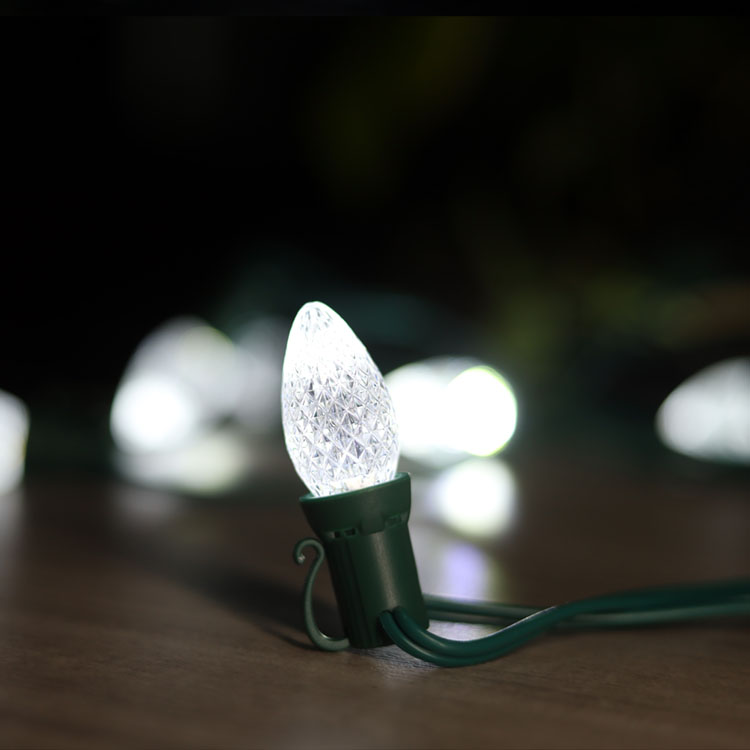
Warm white lighting works well when you want a comfortable atmosphere. It complements natural materials and traditional holiday ornaments. It also provides flexible options for indoor and outdoor decorations.
Warm white lights are a popular choice for Christmas trees. Their golden appearance highlights green branches naturally. They also complement red ribbons, gold ornaments, and wooden decorations.
For a balanced tree, distribute the lights evenly. Place some lights deeper inside the branches. Keep others closer to the outer edges to create visual depth.
Avoid using excessive brightness on smaller trees. Too many closely spaced lights may hide decorative details. Choose a suitable bulb density according to tree size.
Warm white fairy lights work well around windows. They also suit fireplaces, wreaths, shelves, and decorative garlands. Their soft appearance creates a welcoming indoor environment.
Battery-powered fairy lights provide additional installation flexibility. They can decorate small areas without nearby electrical outlets. Some products also include remote controls and multiple lighting modes.
For example, warm white LED fairy lights represent another option when planning colored decorative lighting. Check the actual product color and specifications before selecting it for a warm white application.
Warm white lights can make outdoor spaces feel more inviting. They work well around rooflines, fences, patios, and garden entrances. Their softer appearance complements natural landscaping.
Suspended string lights can decorate outdoor seating areas. They also work well across suitable patios and pergolas. Keep the lighting arrangement consistent across the installation.
For larger outdoor projects, check the product's environmental protection rating. Confirm that connectors and power supplies also suit outdoor use. A suitable lighting system should meet the requirements of its entire installation environment.
Fairy lights are useful for detailed decorative work. Their small bulbs can highlight branches and smaller ornaments. They also fit many creative DIY arrangements.
Flexible LED strips provide a different lighting effect. They create continuous illumination along suitable surfaces. They can outline windows, shelves, and architectural features.
COB LED strips are one option for continuous-looking illumination. Their closely arranged LED chips help reduce visible gaps between light points. Choose the appropriate color temperature and voltage for the intended application.
Tip: For B2B buyers, consider offering warm white products in several formats. Fairy lights, string lights, and flexible strips serve different decoration requirements.
Cool white lighting is suitable for clean and modern displays. Its crisp appearance highlights decorative details. It also works well in winter-themed environments.
Cool white lights complement artificial snow and white ornaments. Their appearance supports an icy winter theme. Silver decorations can make the overall display more consistent.
Place lights at different depths across the branches. This creates a more natural distribution. It also prevents bright spots from dominating the tree.
Blue and silver ornaments can add extra contrast. However, avoid using too many competing colors. A limited palette often creates a cleaner result.
Cool white lighting can highlight modern building features. It works well around straight rooflines and window frames. It also complements glass, metal, and concrete surfaces.
Use consistent color temperatures across connected areas. Different white tones may look uneven when installed together. Check samples under nighttime conditions before finalizing the design.
Cool white lights can also decorate fences and garden structures. They provide clear outlines against darker backgrounds. Adjust their brightness according to the surrounding environment.
Commercial spaces often need visible and coordinated decorations. Cool white lights can create a clean appearance around entrances. They also suit modern shopping centers and hotels.
Use them to highlight architectural features. They can also frame signs and decorative structures. Consistent spacing helps create a professional display.
Consider the visitor experience when planning large installations. Avoid excessive brightness near entrances and seating areas. Keep decorative lighting balanced with the building's existing illumination.
Flexible LED strips provide continuous decorative lighting. They can highlight windows, columns, and architectural edges. Their flexibility supports suitable straight and curved installations.
COB strips are useful when a smoother light line is preferred. They can create a more continuous appearance than widely spaced individual bulbs. Their suitability depends on the product design and installation surface.
Check the strip's voltage and power requirements. Select compatible controllers and power supplies. For outdoor applications, verify the protection rating of the complete system.
Note: Cool white does not automatically mean higher power consumption. Compare wattage and energy ratings instead of judging efficiency by color temperature.
The right choice depends on your decoration goals. Consider the surrounding environment and intended visual effect. Product specifications also matter when planning larger installations.
Traditional decorations usually suit warm white lighting. It complements evergreen branches, red ornaments, and gold accents. It also creates a comfortable holiday atmosphere.
Minimalist decorations often work well with cool white. Its crisp appearance suits silver ornaments and simple designs. Blue and white combinations can strengthen a winter theme.
Rustic decorations may benefit from warm white tones. Natural wood and traditional materials complement its golden appearance. Modern architectural displays can use either option depending on the desired effect.
Indoor lighting often appears different from outdoor lighting. Wall colors, furniture, and nearby light sources affect perception. Consider these factors before choosing a color temperature.
Warm white can soften dark indoor spaces. It also complements wooden furniture and warm-colored decorations. Cool white may work better in bright, modern environments.
Outdoor displays depend on surrounding materials and viewing distance. Brick and wood often complement warm white. Glass and metal can suit cool white, depending on the design.
Brightness should be evaluated separately from color temperature. Check the lumen rating when comparing light output. Wattage indicates electrical power consumption, not brightness by itself.
LED spacing also affects the final appearance. Closely spaced bulbs create denser illumination. Wider spacing produces a more separated decorative effect.
For larger displays, test different spacing arrangements. Consider the viewing distance and surrounding light. This helps prevent uneven brightness across the installation.
Single-color lights provide a consistent appearance. They are suitable for projects requiring a fixed color temperature. Their control systems are often simpler.
Adjustable products provide more flexibility. Some systems allow users to change brightness or color. RGB products can produce different colors through compatible controllers.
However, adjustable lighting may require additional components. Check controller compatibility and operating requirements. Choose a system that matches the project's actual needs.
Tip: When preparing commercial quotations, list color temperature, lumens, wattage, and LED spacing separately. These specifications help buyers compare products accurately.
Different lighting products support different installation requirements. Some focus on small decorative details. Others provide continuous illumination across larger areas.
Battery-powered fairy lights offer flexible decoration options. They work well on Christmas trees, wreaths, and small decorative objects. Their compact design supports creative indoor arrangements.
Some products include remote controls and multiple lighting modes. These features make daily operation more convenient. Battery-powered designs also reduce dependence on nearby power outlets.
Check battery capacity and operating time before purchasing. Consider whether batteries are replaceable. These details matter for commercial sourcing and long-term use.
COB flexible LED strips provide continuous-looking illumination. Their closely arranged LED chips create a smoother light line. This makes them suitable for decorative outlines and architectural features.
Some product ranges offer warm white and cool white versions. Buyers can select different color temperatures for separate projects. Single-color models also simplify color consistency.
Check voltage, wattage, cutting points, and installation requirements. Confirm whether the strip requires an additional controller. For outdoor applications, verify the protection rating before installation.
Outdoor suspended string lights are suitable for patios and gardens. They can also decorate balconies and outdoor seating areas. Their visible bulbs create a decorative atmosphere.
Some products offer warm white lighting. Others provide multicolor or adjustable options. For example, multicolor LED Christmas string lights offer another choice for colorful holiday displays.
Check the bulb spacing and cable length. Confirm the required mounting accessories and power supply. Outdoor products should also meet the environmental requirements of their installation location.
Product specifications help buyers avoid compatibility problems. Do not select Christmas lights based on appearance alone. Check their technical details before placing an order.
Important specifications include color temperature, lumen output, voltage, and wattage. Also check LED spacing, cable material, and connector design. These details influence installation and performance.
For outdoor projects, check the IP rating. Confirm whether the power supply and connectors are suitable. You can also explore Minleon Outdoor Lighting for additional product information and lighting options.
Tip: For wholesale orders, request product datasheets and physical samples. Confirm color consistency before approving mass production.
Warm white and cool white can work together. Their different appearances create visual contrast. However, the combination needs careful planning.
Combining both colors can create different lighting zones. Warm white can highlight gathering areas. Cool white can emphasize architectural details and winter decorations.
For example, use warm white around windows. Add cool white along selected roofline sections. This creates contrast without changing the entire decoration theme.
Large commercial displays can also use both tones. Separate the colors by installation area. This helps maintain a clear visual structure.
Different color temperatures can look inconsistent when mixed randomly. Avoid placing unrelated products too close together. Plan their positions before installation.
Check brightness and LED spacing across both products. Different light outputs may create uneven visual effects. Testing samples together helps identify these differences.
Use consistent color temperatures within each decoration zone. Keep the transition between zones intentional. This makes the overall display look more organized.
Warm white works well around entrances and seating areas. Its softer appearance creates a welcoming atmosphere. It also complements traditional decorations.
Cool white suits snowy displays and modern structures. It can highlight architectural outlines. It also works well around silver and blue decorations.
For larger properties, divide the design into clear zones. Use each color for a specific purpose. This creates contrast without making the display look crowded.
Note: When combining different lighting products, confirm their electrical compatibility separately. Similar plug designs do not guarantee compatible voltage or control systems.
Warm white creates a cozy, traditional atmosphere. Cool white suits modern and winter-themed decorations. Minleon Outdoor Lighting offers versatile LED fairy lights, flexible strips, and outdoor string lights. Its lighting options support different holiday styles and customized decorative projects.
A: Warm white looks golden; cool white appears crisp and slightly bluish.
A: Warm white Christmas lights typically range from 2700K to 3000K.
A: Cool white often appears brighter, but lumens determine actual brightness.
A: Yes, they complement green branches and traditional ornaments.
A: Yes. Keep brightness and spacing consistent for balanced displays.


