
- All
- Product Name
- Product Keyword
- Product Model
- Product Summary
- Product Description
- Multi Field Search
- Product private attributes
Views: 0 Author: Site Editor Publish Time: 2026-09-28 Origin: Site


The growing demand for dynamic, color-changing landscapes makes RGB Outdoor Lighting a standard for modern exterior design. While advancements in battery technology and highly efficient LEDs make solar options viable, the power source dictates the long-term success of the investment. Buyers frequently miscalculate lifetime expenses by focusing solely on upfront fixture costs. They ignore the hidden impacts of professional installation labor, battery degradation, and compounding system maintenance. To make an evidence-based purchasing decision, property owners must evaluate solar and hardwired systems across upfront costs, lifetime maintenance, lumen output reliability, and installation feasibility. We will break down the exact differences between these two power methods so you can choose the right infrastructure for your landscape.
Cost Inversion: Solar lighting presents lower upfront costs and zero installation labor, but wired systems often cost less over a 5-to-10-year horizon due to fewer component replacements and structural flaws.
Performance Reliability: Wired systems guarantee consistent lumen output and color saturation regardless of weather, whereas solar systems experience diminished performance during winter months and cloudy days.
Maintenance Realities: Solar fixtures require lithium-ion battery replacements every 1–3 years and are prone to weather-related housing failures; wired systems require initial trenching but offer decades of infrastructure stability.
Application Suitability: Solar is optimal for temporary setups, renters, and remote property edges, while low-voltage wired systems are mandatory for permanent architectural and high-lumen security lighting.
Before selecting a power source, property owners must establish the primary objective of the lighting project. Landscape illumination generally falls into specific categories based on the desired outcome and the physical environment. Identifying the core purpose immediately narrows down whether a grid-tied or off-grid solution is appropriate for the site.
Critical security and perimeter visibility requiring dusk-to-dawn reliability.
Architectural accentuation demanding precise beam angles and consistent color rendering.
Ambient entertainment prioritizing atmosphere over intense brightness for evening gatherings.
Navigational safety for pathways, exterior stairs, and uneven terrain.
The relationship between lumen output and power draw becomes highly complex when introducing color-changing capabilities. Standard white LEDs are highly efficient, requiring minimal energy to produce substantial brightness. Generating specific colors requires multiple diodes—red, green, and blue—to illuminate simultaneously at varying intensities. Mixing a custom color like deep purple or warm teal forces the fixture to draw significantly more power than producing a standard white beam. When you command an RGB fixture to produce pure white light, all three diodes run at maximum capacity. This increased energy demand places a heavy burden on photovoltaic panels and internal batteries, making power management a critical factor in system selection.
Modern exterior designs increasingly rely on smart control integration. Users expect to change colors, adjust brightness, and set automated schedules via smartphone applications or voice assistants. This requires the lighting fixtures to maintain constant wireless network connectivity. For a grid-tied system, the energy required to keep a wireless receiver active is negligible. For a solar-powered unit, maintaining a constant wireless connection slowly drains the battery throughout the day and night. The internal Wi-Fi or Bluetooth chip constantly listens for commands, leaving less stored energy available for actual illumination. Evaluating how you intend to control the landscape environment is just as important as deciding how to power it.
The most attractive feature of off-grid illumination is the low barrier to entry. High-capacity solar fixtures require a modest initial investment compared to their hardwired counterparts. When purchasing these units, buyers are essentially buying a miniature power plant. Each fixture contains its own LED array, photovoltaic panel, charge controller, and rechargeable battery. Premium models featuring monocrystalline panels and larger lithium-iron-phosphate batteries command a higher initial price but remain accessible for most property improvement budgets.
The true financial advantage of solar technology lies in labor savings. Installing a hardwired network requires specialized tools, electrical knowledge, and significant physical labor. Solar units eliminate trenching, conduit laying, and complex wire splicing. A homeowner can independently install dozens of path lights or spotlights in a single afternoon. By removing professional landscaping and electrical labor from the equation, the initial project expenditure drops drastically, making off-grid solutions highly appealing for immediate aesthetic upgrades.
This plug-and-play nature makes off-grid technology ideal for specific use cases. Temporary or seasonal setups benefit immensely from this flexibility. Property owners can illuminate a summer garden party or decorate for a specific holiday without committing to permanent infrastructure. Utilizing solar outdoor string lights across a patio provides immediate gratification and eliminates the financial risk associated with permanent landscape alterations.
Committing to a grid-tied low-voltage network requires a substantial upfront purchase of infrastructure components. Before a single light is placed, the system requires a step-down transformer to convert standard household voltage to a safe low-voltage current. The project also requires hundreds of feet of heavy-gauge direct burial wire, waterproof connectors, and potentially PVC conduit for high-traffic areas. These foundational components represent a significant initial expense that off-grid alternatives completely bypass.
Labor and trenching constitute the largest portion of the initial investment. Professional installers must map the property, calculate voltage drops, and physically trench lines through existing lawns and garden beds. Navigating mature tree roots and sleeving wire under concrete pathways requires careful planning and subsequent hardscaping restoration. The physical labor involved in burying wire at the proper depth to prevent accidental severing during routine yard maintenance is intensive. It often requires specialized machinery or extensive manual effort depending on soil conditions.
While the infrastructure and labor demand a high initial outlay, the individual wired fixtures are often less expensive than premium solar equivalents. A grid-tied spotlight does not need an integrated solar panel, a charge controller, or an internal battery. Manufacturing focuses entirely on housing durability and the LED diodes. Buyers acquire heavy-duty brass or cast-aluminum fixtures for a fraction of the cost of a similarly built self-contained off-grid unit.
Component Category | Solar RGB Systems | Wired RGB Systems |
|---|---|---|
Power Source | Integrated photovoltaic panel | Low-voltage transformer |
Wiring Infrastructure | None required | Direct burial landscape wire (12/2 or 10/2) |
Electrical Connections | Pre-sealed internal circuitry | Silicone-filled wire nuts and heat shrink |
Installation Labor | DIY friendly, push-stake mounting | Trenching, conduit laying, voltage calculations |
Control Mechanism | On-board sensors, battery-draining wireless | Transformer timers, stable smart home integration |
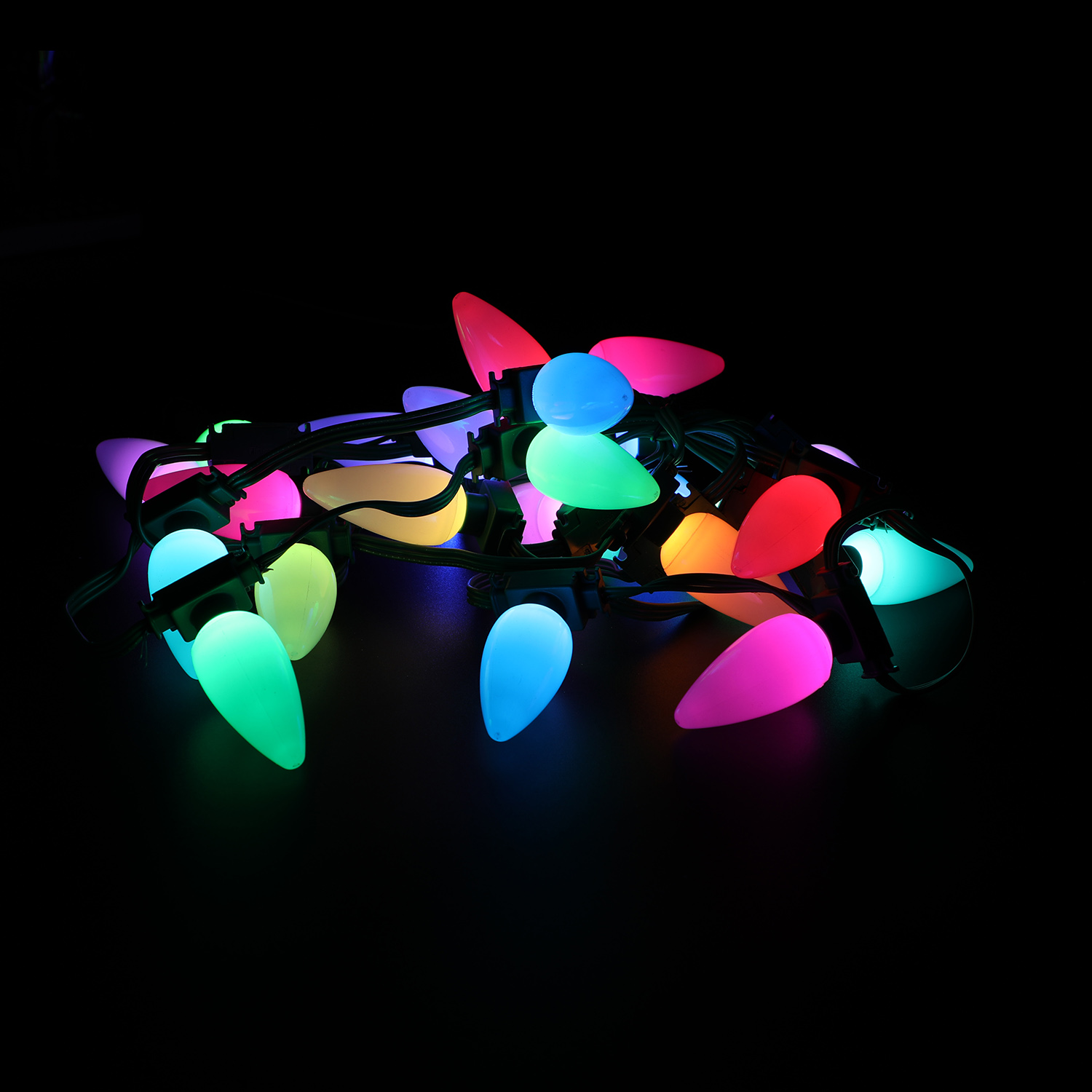
The financial appeal of off-grid lighting diminishes when evaluating long-term replacement cycles. The most significant vulnerability lies in battery degradation. Lithium-ion and Nickel-Metal Hydride batteries are highly sensitive to extreme temperature fluctuations. Summer heat causes battery cells to swell and lose capacity, while freezing winter temperatures increase internal resistance, preventing the battery from accepting a full charge. Most integrated batteries require replacement every one to three years to maintain acceptable performance.
Compounding replacement expenses quickly erode the initial labor savings. If a property utilizes two dozen off-grid fixtures, replacing the batteries across the entire network becomes a recurring maintenance expense. Many entry-level units feature sealed housings, meaning the battery cannot be replaced at all. When the internal cell dies, the entire fixture must be discarded and repurchased. Repurchasing failing units multiple times results in a higher overall expenditure than installing a permanent grid-tied network once.
Beyond battery failure, self-contained units face severe structural vulnerabilities. The epoxy or plastic coatings used on integrated photovoltaic panels are highly susceptible to ultraviolet degradation. The sun causes these panels to turn cloudy or yellow, drastically reducing their ability to harvest solar energy. The plastic housings common in off-grid designs become brittle under constant UV exposure and temperature shifts. Once the housing cracks, moisture penetrates the circuitry, causing irreversible corrosion and complete unit failure.
A common misconception is that running a permanent landscape network will cause utility bills to skyrocket. Modern light-emitting diodes are incredibly efficient. A standard low-voltage system running two dozen color-changing fixtures typically consumes less energy than a single traditional incandescent indoor light bulb. When calculated over a month, the actual utility draw usually amounts to mere pennies per day. The electrical expense of operating a grid-tied network is statistically negligible when compared to the recurring expense of replacing dead lithium-ion batteries.
The maintenance required for a grid-tied network is minimal and highly predictable. The core component, the low-voltage transformer, generally boasts a lifespan of ten to fifteen years. High-quality magnetic transformers are particularly robust, relying on simple copper coils rather than complex circuit boards that are prone to failure. Aside from occasionally adjusting the mechanical timer or updating the smart-plug schedule, the power supply requires virtually no ongoing financial input.
Infrastructure longevity is where grid-tied setups prove their financial superiority. Because the fixtures do not rely on exposed plastic solar panels or internal chemical batteries, manufacturers construct them from heavy-duty materials like solid brass, raw copper, or powder-coated cast aluminum. These metals naturally weather and patina, resisting corrosion and physical impact. A well-installed brass fixture can easily last twenty years or more, effectively amortizing the high initial labor and trenching investment over decades of flawless operation.
For high-end exterior design, consistent performance is non-negotiable. Grid-tied networks provide stable, continuous voltage to every diode on the line. This voltage consistency ensures that the fixtures maintain maximum brightness from the moment they turn on until the timer shuts them off. Stable power allows the internal microprocessors to mix red, green, and blue light accurately, producing deep, saturated colors without flickering or shifting hues throughout the night.
Self-contained off-grid units must constantly manage their limited energy reserves. As the battery depletes over the course of the evening, the internal charge controller automatically begins power rationing. This results in the fixture noticeably dimming just a few hours after sunset. As the voltage drops, the diodes struggle to maintain accurate color mixing. A vibrant purple may slowly shift to a dull red, or a crisp cool white may degrade into a sickly yellow as the battery struggles to power all necessary diodes simultaneously.
Certain landscape features demand intense, sustained illumination that only a grid-tied system can provide. Illuminating the second story of a home, washing a wide retaining wall, or highlighting a massive oak tree requires significant throw distance and wide beam angles. For these high-demand applications, installing RGB outdoor flood lights connected directly to a transformer is the only viable solution. Off-grid alternatives simply cannot store enough energy to project high-lumen, color-saturated light over long distances for extended periods.
The reliability of off-grid illumination is entirely at the mercy of the weather and the seasons. Winter presents a massive challenge for photovoltaic technology. Shorter daylight hours provide less time for the panels to harvest energy, while the lower angle of the sun reduces the intensity of the solar radiation. Combined with frequent cloud cover and snow accumulation on the panels, off-grid fixtures often fail to gather enough energy to operate for more than an hour or two during the winter months.
Snow and ice accumulation physically block photovoltaic cells from receiving sunlight.
Freezing temperatures increase internal battery resistance, severely limiting charge acceptance.
Overcast skies reduce solar harvesting efficiency by up to eighty percent.
Shorter winter days require longer illumination periods exactly when battery reserves are lowest.
Placement restrictions further limit the utility of self-contained units. Photovoltaic panels require direct, unobstructed sunlight for several hours a day to function properly. This geographical limitation makes it impossible to effectively illuminate heavily wooded areas, north-facing facades, or deep garden beds shadowed by the home's architecture. Designing a cohesive lighting plan becomes an exercise in compromise, forcing property owners to place fixtures based on sun exposure rather than aesthetic impact.
Grid-tied systems offer complete independence from weather conditions and solar positioning. A hardwired spotlight will deliver the exact same brightness and color saturation during a blizzard as it does on a clear summer evening. While grid-tied setups are technically vulnerable to local municipal power outages, these events are generally rare and short-lived. For consistent, everyday reliability, a physical connection to the home's electrical panel remains unmatched.
Despite their limitations, off-grid solutions excel in specific scenarios where hardwiring is impractical. Remote property perimeters are prime candidates for photovoltaic technology. Running hundreds of feet of direct burial wire to illuminate a distant fence line or a remote driveway entrance introduces severe voltage drop issues and requires massive, expensive wire gauges. Placing self-contained units eliminates the need for disruptive trenching and complex electrical calculations across vast distances.
Renters and individuals seeking non-permanent installations should always default to off-grid options. Investing in permanent underground infrastructure makes no financial sense for a leased property. Utilizing stake lights to line a walkway allows renters to enhance their outdoor living space and take the entire system with them when their lease expires. The portability of these units provides unmatched flexibility for changing landscape layouts.
Eco-conscious projects that prioritize zero-emission operations also benefit from off-grid technology. For property owners building entirely off-grid cabins or striving for absolute energy independence, self-contained lighting aligns perfectly with their environmental goals. In these specific use cases, the user accepts the trade-off of diminished winter performance in exchange for a completely decentralized, self-sustaining illumination network.
Permanent architectural integration demands the stability of a grid-tied network. High-end residential and commercial properties require synchronized, multi-zone color control to achieve flawless aesthetic execution. A hardwired system allows all fixtures to communicate instantly, ensuring that color transitions, dimming schedules, and dynamic light shows execute perfectly in unison without the lag or failure rates associated with battery-operated wireless receivers.
Security and safety applications leave no room for compromise. Pathways, exterior stairs, and dark driveways require guaranteed, high-lumen illumination to prevent accidents and deter trespassers. Relying on a battery that might deplete by midnight is a significant liability. Grid-tied path lights and spotlights ensure that critical visibility is maintained from dusk until dawn, regardless of how cloudy the previous day was.
Projects incorporating advanced smart home ecosystems necessitate constant power. Integrating exterior illumination with complex home automation systems requires fixtures that are always awake and ready to receive commands. Grid-tied networks provide the uninterrupted power required to keep these communication modules active, allowing users to trigger complex lighting scenes instantly via keypads or automated geofencing.
If off-grid technology is necessary, property owners can implement specific strategies to mitigate its inherent flaws. The most effective method is utilizing fixtures with detached photovoltaic panels. Instead of the panel being built directly into the top of the light housing, a detached panel connects to the fixture via a short cable. This allows the user to place the color-changing spotlight deep in the shade of a tree or under a roof overhang, while mounting the power source several feet away in direct, unobstructed sunlight.
Another critical mitigation strategy involves careful product selection regarding battery architecture. Avoid purchasing sealed, disposable plastic units. Source premium fixtures that feature user-replaceable batteries and standard weatherproofing. By ensuring the battery compartment can be accessed and resealed, you transform a disposable product into a maintainable asset, significantly extending the usable life of the initial investment.
The primary risk when installing a grid-tied network is voltage drop. As electrical current travels down a long run of wire, natural resistance causes the voltage to decrease. If a run is too long or the wire is too thin, the fixtures at the end of the line will not receive the required voltage. In color-changing systems, severe voltage drop causes the internal microprocessors to malfunction, resulting in a color shift where the final lights in the sequence display incorrect hues. Mitigating this requires accurate calculations, utilizing thicker wire for long runs, and employing hub-and-spoke wiring techniques rather than simple daisy chains.
Water ingress is the enemy of any electrical connection. When splicing wires underground or exposing connections to the elements, standard electrical tape is entirely insufficient. Installers must use silicone-filled wire nuts or marine-grade heat-shrink tubing to seal every connection. When integrating heavy-duty RGB outdoor string lights into a permanent grid-tied patio setup, ensuring the connections between the string and the main feed line are completely waterproof prevents ground faults, corrosion, and the premature failure of the transformer.
Map your property to identify heavily shaded zones that restrict photovoltaic panel placement and require hardwired solutions.
Calculate the total linear footage required to run direct burial wire from your exterior outlet to the desired fixture locations.
Evaluate your soil conditions to determine if trenching requires specialized machinery or simple manual labor.
Request an assessment from a landscape lighting professional to compare the lifetime expenses of a permanent installation against recurring battery replacements.
A: It depends on your criteria. For ease of installation and lower initial expense, off-grid technology is superior. However, for consistent brightness, accurate color mixing, longevity, and reliable operation through harsh winters, a hardwired landscape network is significantly better and more durable.
A: No. Grid-tied fixtures provide consistent, high-lumen output because they draw continuous power. Self-contained off-grid units typically offer lower lumens to conserve their limited battery life and will noticeably dim as the stored charge depletes throughout the night.
A: Most integrated batteries last between one to three years before their capacity degrades significantly. This degradation is accelerated by constant weather exposure, extreme summer heat, freezing winter temperatures, and the daily stress of fully charging and discharging.
A: Off-grid units are cheaper upfront and cost nothing in monthly electricity. However, grid-tied LED networks cost only pennies a day on a utility bill and avoid the compounding, recurring expenses of replacing dead batteries and weather-degraded plastic housings over a decade.
A: Commercial-grade hardwired string lights are designed to withstand harsh winter conditions and freezing moisture. Off-grid string lights will struggle to charge during short winter days, and extreme cold can permanently damage their internal lithium batteries.
A: No. Modern low-voltage LED technology is highly energy-efficient. A standard transformer running two dozen color-changing fixtures will typically add only a very small amount to an annual electricity bill, making operational energy expenses virtually negligible.
A: Voltage drop occurs when electrical power diminishes over a long run of wire due to natural resistance. In color-changing networks, severe voltage drop can cause fixtures at the end of the line to display incorrect hues, shift to red, or fail to illuminate entirely.


