
- All
- Product Name
- Product Keyword
- Product Model
- Product Summary
- Product Description
- Multi Field Search
- Product private attributes
Views: 0 Author: Site Editor Publish Time: 2026-09-03 Origin: Site


Facility managers and procurement teams face escalating operational expenses. Lighting systems account for up to 40% of a commercial building's total electricity usage. Legacy incandescent, fluorescent, and HID systems drain budgets through high power consumption, frequent replacement cycles, and hidden maintenance labor costs. They also increase HVAC loads due to excess heat generation, forcing cooling equipment to run longer to maintain baseline temperatures. Transitioning to modern lighting solutions requires a rigorous evaluation of upfront capital expenditure versus long-term operational savings. This guide breaks down the financial, technical, and operational realities of retrofitting to Commercial LED Bulbs. We examine the mechanics of energy reduction, maintenance elimination, and system compatibility. Facility operators can execute upgrades that deliver immediate utility reductions while ensuring long-term infrastructural reliability.
Energy Reduction: Upgrading yields an average 75-90% reduction in lighting-related electricity consumption compared to incandescent baselines, with significant savings visible from day one of installation.
Long-Term Financial Impact: Higher initial procurement costs are typically offset within 12 to 24 months through combined energy and maintenance savings, driven by a long-term decline in manufacturing and hardware costs.
Operational Continuity: Extended lifespans (often exceeding 50,000 hours, or up to 25 times longer than standard incandescent options) drastically reduce labor costs associated with routine bulb replacement in high-ceiling or hard-to-reach commercial environments.
Compliance & Incentives: Modern retrofits align with tightening commercial energy codes (e.g., ASHRAE, Title 24) and frequently qualify for utility rebate programs.
Evaluating an existing lighting infrastructure requires looking beyond the monthly utility bill. Facility operators must calculate the baseline energy consumption in kilowatt-hours (kWh) and factor in peak demand charges driven by inefficient incandescent, halogen, or fluorescent setups. These legacy systems draw substantial power upon startup and maintain high continuous consumption rates. This penalizes facilities during peak operational hours when utility rates spike.
Maintenance labor represents another massive hidden drain on facility resources. Replacing standard bulbs in high-bay warehouses, exterior parking lots, or grand lobbies often requires deploying scissor lifts, scaffolding, or specialized personnel. Quantifying the hourly rates of maintenance staff, alongside the frequency of these replacements, reveals the true burden of short-lived lighting technologies. Delayed maintenance due to access difficulties leads to unaddressed outages. Dark spots compromise workplace safety, lower operational productivity, and negatively impact tenant satisfaction.
Thermal output inefficiencies add a secondary layer of operational waste. Traditional bulbs convert a significant portion of their consumed energy into heat rather than visible light. In large facilities, this excess thermal generation forces HVAC systems to run longer and harder to cool the building. Calculating the secondary cost of cooling this wasted heat is essential for understanding the full impact of legacy lighting on building performance.
Audit current fixture counts, noting wattage and ballast types.
Log the average daily burn time for each distinct facility zone.
Calculate the labor hours spent monthly on routine bulb replacements.
Review the past twelve months of utility bills to identify peak demand penalties.
Successful lighting upgrades begin with clear financial and technical benchmarks. Establish acceptable payback periods for capital expenditures based on organizational targets. This involves distinguishing between long-term equipment amortization and the immediate utility cost reductions realized on day one. Facilities must map out exactly when the accumulated energy and labor savings will surpass the initial procurement and installation outlay.
Strict lumen-per-watt (lm/W) efficiency targets ensure the selected technology meets modern performance standards. Rather than focusing solely on wattage, procurement teams must evaluate how much actual light output is generated per unit of energy consumed. Setting a high lm/W baseline filters out substandard products and guarantees optimal illumination efficiency.
Light quality requirements must also be defined based on the specific application. Task lighting in inspection areas demands different specifications than ambient illumination in retail spaces or corridors. Establishing these parameters early prevents over-illumination, under-illumination, or poor color rendering that could hinder daily operations.
Performance Metric | Legacy Fluorescent/HID | Modern Solid-State Lighting |
|---|---|---|
Lumen Efficacy | 50 - 80 lm/W | 130 - 180+ lm/W |
Directional Output | Omnidirectional (Requires reflectors) | Directional (Minimal light loss) |
Warm-up Time | Up to 15 minutes (HID) | Instant On |
Dimming Capability | Limited, requires specialized ballasts | Seamless down to 1% |
A direct wattage comparison highlights the stark contrast between old and new technologies. A traditional 60W bulb can easily be replaced by a 9W equivalent that produces the exact same lumen output. This massive reduction in power draw forms the foundation of all subsequent energy savings calculations. Scaling this reduction across thousands of fixtures in a commercial facility yields massive utility drops.
High-quality energy efficient LED bulbs convert over 80% of electrical energy directly into light. This minimizes wasted thermal energy, directly addressing the HVAC burden caused by older fixtures. Solid-state lighting emits light directionally. Traditional bulbs scatter light 360 degrees, relying on reflectors to push the illumination where it is needed. Directional output reduces reliance on these reflectors, minimizing trapped light and further improving functional efficiency.
Performance at lower output levels also heavily favors solid-state lighting. Modern fixtures maintain superior efficiency profiles when dimmed. Legacy bulbs experience severe efficacy drops at low power, consuming disproportionate amounts of energy for minimal light output. Dimming a solid-state fixture reduces its power consumption linearly, widening the energy-savings gap in spaces utilizing daylight harvesting or manual dimming controls.
The operational longevity of modern lighting drastically alters maintenance schedules. Standard incandescent bulbs typically offer a 1,000-hour lifespan. In contrast, commercial-grade solid-state fixtures routinely provide 50,000 or more hours of operational life. This represents an average 25x increase in longevity, virtually eliminating the revolving door of bulb replacements. Facility teams can redirect their labor hours toward preventative maintenance rather than reactive bulb swapping.
Understanding L70 ratings is crucial for evaluating this longevity. The L70 rating indicates the specific point at which lumen output depreciates to 70% of its initial brightness. Solid-state diodes rarely suffer total sudden failure like a blown incandescent filament. They gradually dim over tens of thousands of hours. Planning maintenance around the L70 threshold ensures spaces remain adequately illuminated without premature hardware disposal.
Frequent switching impacts lifespan differently across technologies. Fluorescent tubes degrade rapidly when subjected to constant on/off cycling, making them poor candidates for occupancy sensors. Solid-state lifespans are entirely unaffected by frequent switching. This allows seamless integration with automated control systems for maximum efficiency in low-traffic corridors and restrooms.
Evaluating Color Rendering Index (CRI) and Correlated Color Temperature (CCT) ensures the lighting matches the environment's functional needs. Retail environments require high CRI ratings to accurately display product colors. Office environments often benefit from cooler CCTs to promote alertness and productivity. Selecting the wrong CCT can make a space feel sterile or overly relaxed, directly impacting the occupants' experience.
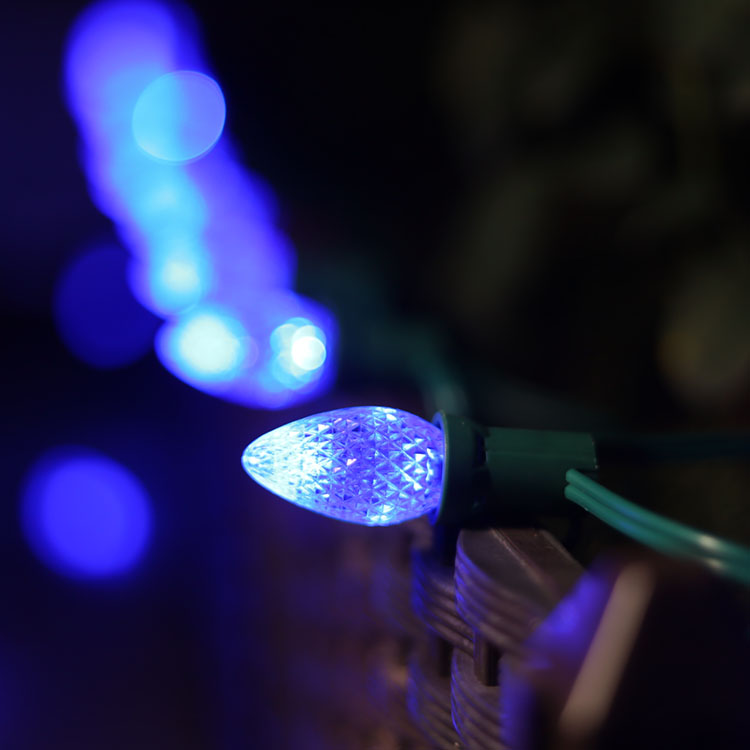
Aesthetic continuity is equally important in specialized spaces. Integrating LED decorative bulbs in hospitality venues, restaurants, and front-of-house commercial areas provides the necessary visual appeal without sacrificing efficiency. These specialized fixtures mimic the look of vintage filaments while delivering the robust performance expected from modern solid-state technology. They maintain the architectural integrity of historic or stylized spaces while slashing the associated energy draw.
Calculating total procurement costs requires analyzing current market data. Production costs have continuously declined as manufacturing processes mature. Partnering directly with a reputable LED bulb manufacturer can streamline procurement and ensure consistent hardware quality across large orders. Direct sourcing often bypasses distributor markups, improving the initial capital expenditure profile for large-scale retrofits.
Installation labor and potential fixture retrofitting expenses must be factored into the initial CapEx. Upgrading fluorescent troffers often involves bypassing existing ballasts to install direct-wire tubes. While this requires more upfront electrical labor, it permanently removes the ballast as a future point of failure. Facility managers must weigh the immediate labor cost of a ballast bypass against the long-term reliability it provides.
Projecting monthly utility savings involves multiplying the reduced wattage by local commercial kWh rates and total operational hours. Facilities operating 24/7 see the fastest returns, with immediate day-one savings reflecting on the very first billing cycle after installation. Accurate OpEx projections require granular data on current usage patterns and precise utility rate structures, including peak and off-peak pricing tiers.
Operational expenditures also drop due to the elimination of auxiliary component replacements. Bypassing fluorescent ballasts means facility teams no longer need to stock or replace these failure-prone components. Solid-state fixtures do not contain mercury, eliminating the specialized hazardous waste disposal fees associated with fluorescent tube recycling. This simplifies waste management protocols and reduces environmental liability.
Utility-sponsored energy efficiency rebate programs significantly offset initial procurement costs. Prescriptive rebates offer set amounts for specific bulb replacements. Custom rebates are calculated based on the total projected energy reduction of a comprehensive facility overhaul. Navigating these programs early in the planning phase is critical for maximizing financial returns. Many utilities require pre-approval before any old fixtures are removed.
Federal or local tax deductions provide additional financial leverage. Programs designed to reward commercial building energy efficiency upgrades can accelerate the payback period. Facility operators should consult with financial teams to ensure all applicable tax incentives are captured during the retrofit process. Proper documentation of the baseline energy use and the post-upgrade consumption is mandatory for claiming these deductions.
Integrating LED bulbs for commercial lighting across multi-site portfolios requires a phased deployment strategy. Rolling out upgrades section by section prevents operational disruptions. Prioritizing areas with the highest burn times or the most difficult maintenance access yields the fastest initial returns. A phased approach also allows facility teams to test specific fixtures in real-world conditions before committing to a portfolio-wide rollout.
Industrial settings present unique high-demand requirements. High-bay warehouse lighting and heavy manufacturing environments require fixtures engineered for extreme durability, vibration resistance, and high ambient temperatures. Standard commercial bulbs will fail rapidly in these harsh conditions. Specifying industrial-grade hardware with robust heat sinks and shatterproof polycarbonate lenses is mandatory for maintaining safety and operational uptime.
Exterior environments demand specific protections. When specifying outdoor LED lighting, operators must evaluate IP (Ingress Protection) ratings to ensure adequate defense against dust and moisture. Weather resistance, surge protection, and seamless integration with photocells or motion sensors are critical for parking lots, building perimeters, and exterior security illumination. Proper exterior lighting deters vandalism and ensures safe navigation for employees and visitors after dark.
Energy transition trends show a definitive historical shift toward solid-state lighting as the primary commercial standard. Federal regulations and global energy mandates continue to phase out inefficient incandescent and halogen technologies. Upgrading now ensures facilities remain ahead of impending regulatory deadlines. Waiting until legacy components are entirely banned often leads to supply chain bottlenecks and inflated procurement costs.
Selected lighting must comply with local municipal energy codes and support broader building certifications. Meeting LEED certification requirements heavily depends on optimizing interior and exterior lighting power densities. Modern solid-state fixtures provide the necessary efficiency to achieve these stringent environmental standards. They also integrate easily with the advanced networked lighting controls required by modern building codes.
Lowering electrical demand directly reduces a corporate carbon footprint. Quantifying this reduction is essential for supporting ESG (Environmental, Social, and Governance) reporting. Demonstrating measurable decreases in greenhouse gas emissions through lighting efficiency strengthens corporate sustainability profiles. This data is increasingly scrutinized by investors, tenants, and regulatory bodies evaluating a company's environmental impact.
Dimmer incompatibility remains a primary risk during retrofits. Installing new bulbs on legacy dimming circuits often causes flickering, buzzing, or premature driver failure. Mitigating this requires a thorough audit of existing control systems. Facility teams must determine whether they are using 0-10V, phase-cut, or other legacy dimmers. Specifying strictly compatible drivers ensures smooth operation and prevents rapid hardware degradation.
Heat buildup degrades internal components when installed in legacy, unventilated enclosed housings. While solid-state fixtures produce less heat overall, their internal electronics are highly sensitive to trapped thermal energy. Operators must select appropriately rated bulbs specifically engineered for enclosed fixtures. Evaluating fixture ventilation during the initial audit phase prevents premature hardware failure and voided warranties.
Procuring substandard products from unverified suppliers can destroy the financial model. Cheap, poorly manufactured bulbs often fail well before their stated lifespan. Mitigating this requires strict vendor vetting. Demand products with DesignLights Consortium (DLC) or Energy Star certifications. Secure a minimum 5-year commercial warranty that covers both parts and reasonable labor for replacements. Verify the manufacturer has a domestic presence to handle warranty claims efficiently.
Conduct a comprehensive, facility-wide lighting audit to document all existing fixture types, wattages, and control systems.
Calculate current baseline energy and maintenance costs to establish a clear financial benchmark for the upgrade.
Request pilot samples from shortlisted manufacturers to test in-situ performance, verifying light quality and dimmer compatibility.
Develop a phased installation schedule that prioritizes high-burn-time areas to accelerate initial utility savings.
A: Upgrading to modern solid-state lighting typically yields a 75% to 90% reduction in electricity consumption compared to traditional incandescent baselines, depending on the specific wattage replacements and operational hours.
A: Most commercial facilities see a complete return on their initial capital expenditure within 12 to 24 months. This is driven by the combined reduction in monthly utility bills and the elimination of routine maintenance labor.
A: Yes, many retrofit options are designed to screw or plug directly into existing sockets. Bypassing fluorescent ballasts for direct-wire installations is often recommended to remove future points of failure.
A: The L70 rating indicates the number of operational hours it takes for the light output to gradually depreciate to 70% of its initial brightness. It serves as the standard metric for solid-state longevity.
A: Yes. Traditional bulbs convert a large portion of energy into heat. Because solid-state fixtures convert over 80% of their energy into light, they emit significantly less ambient heat, reducing the cooling load on facility HVAC systems.
A: Absolutely. Unlike legacy bulbs that lose efficacy and waste energy when dimmed, modern fixtures maintain linear efficiency. Dimming directly reduces power draw, maximizing energy savings when integrated with daylight harvesting controls.


